
When installing inductive proximity switches on automated production lines, confusion about PNP and NPN wiring is one of the most frequent problems for maintenance engineers. Wrong wiring leads to sensor no response, PLC signal failure, relay burnout, and unplanned production line downtime. This guide clearly explains the core difference between PNP and NPN 3-wire proximity sensors with standard 24VDC wiring diagrams.
Basic Definition: Sinking PNP vs Sourcing NPN
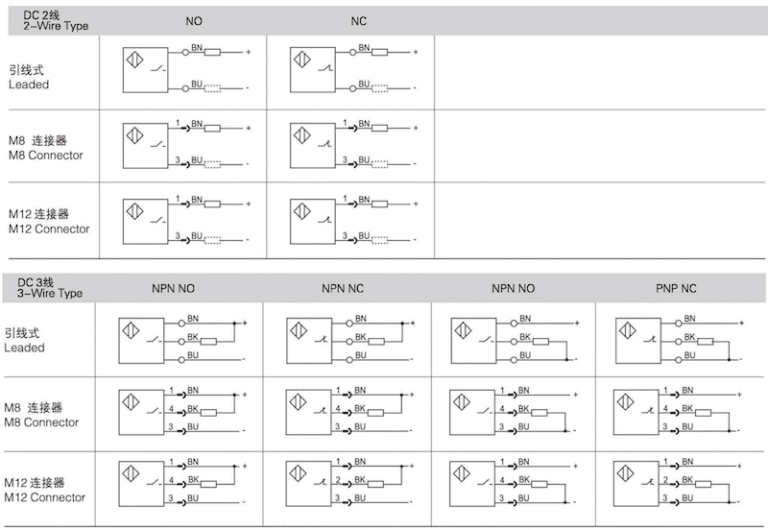
All standard industrial proximity sensors run on 10–30 VDC power supply, with three core wires: brown (+24V), blue (0V/GND), black (signal output). The only difference lies in how the signal wire outputs voltage:
- PNP Sensor (Sinking Type) The signal wire outputs +24V voltage when detecting metal targets.
- Wiring rule: Connect the relay/PLC input terminal to the black signal wire of the PNP sensor, link the relay negative pole to 0V ground.
- Application: Widely used in European PLC systems, most European brands like Pepperl+Fuchs, Balluff default to PNP output.
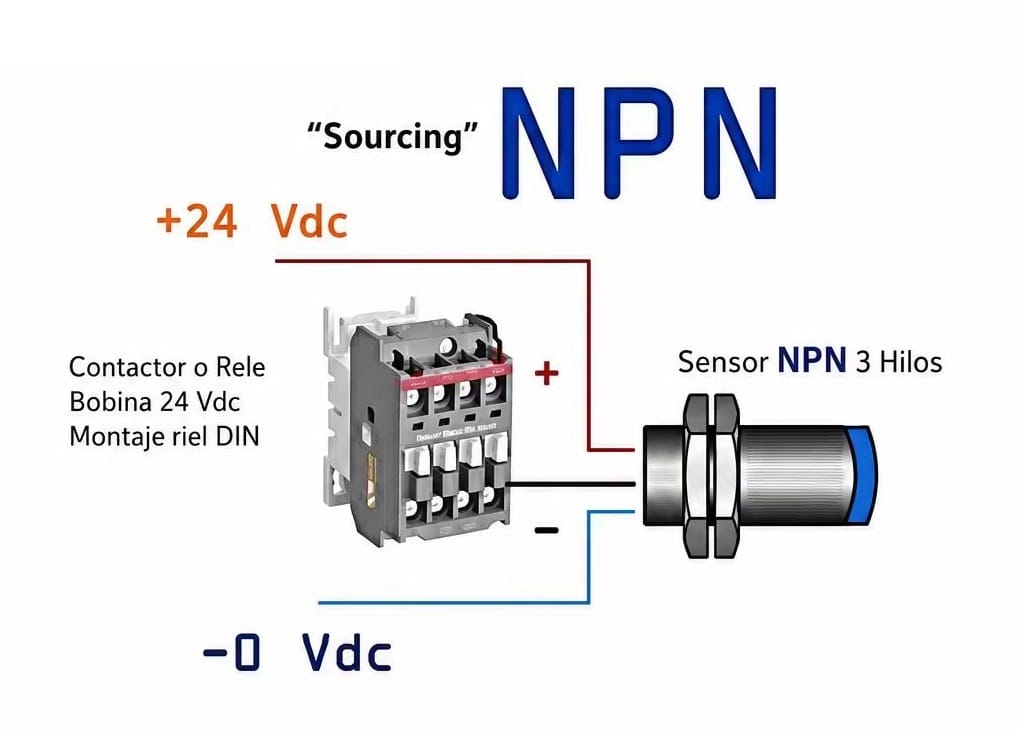
- NPN Sensor (Sourcing Type) The signal wire pulls down to 0V ground once the sensor triggers detection.
- Wiring rule: Connect the relay positive terminal to +24V, link the relay negative pole to the NPN black signal wire.
- Application: Mainstream for Japanese automation equipment, Omron, Keyence standard NPN models are common in Asian factories.
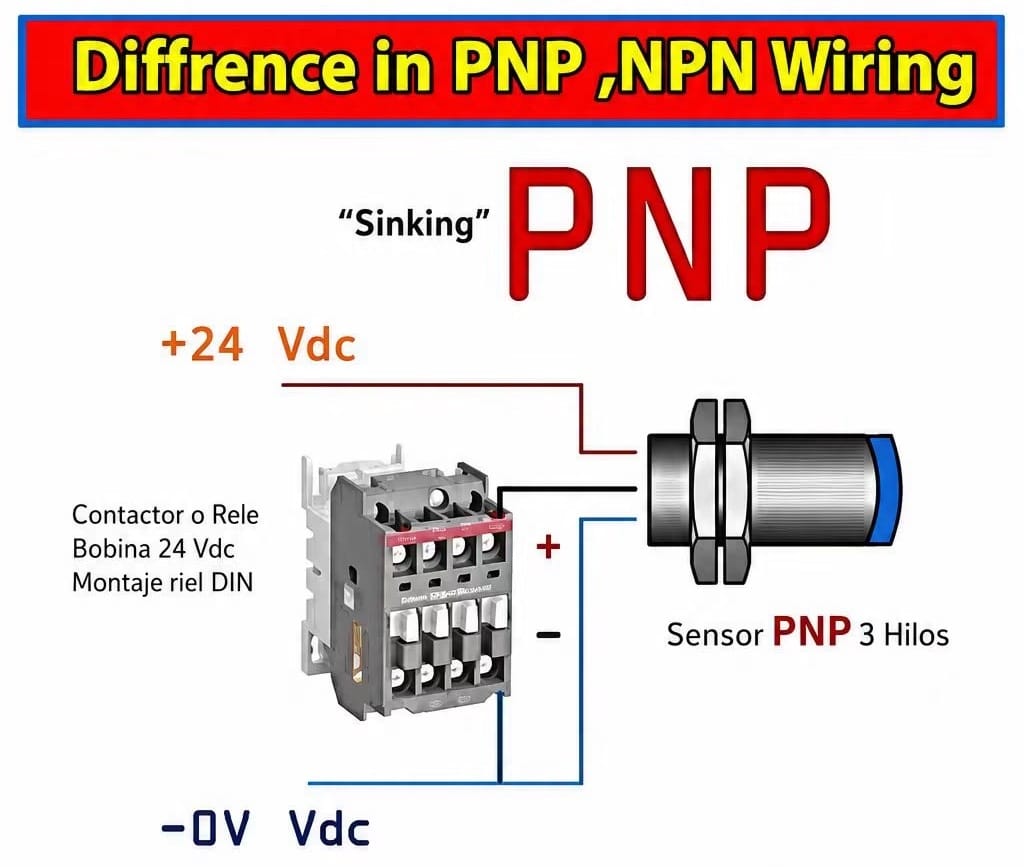
Standard 3-Wire Wiring Reference (24VDC Relay Load)
As shown in our wiring diagram:
- PNP proximity sensor: Brown wire to +24V, blue wire to 0V, black signal wire connects to the positive terminal of the relay coil; relay negative pole connects to 0V.
- NPN proximity sensor: Brown wire to +24V, blue wire to 0V, black signal wire connects to the negative terminal of the relay coil; relay positive pole connects to +24V.
Mismatched wiring between sensor output type and load will make the relay fail to act, or even damage the sensor internal circuit permanently.
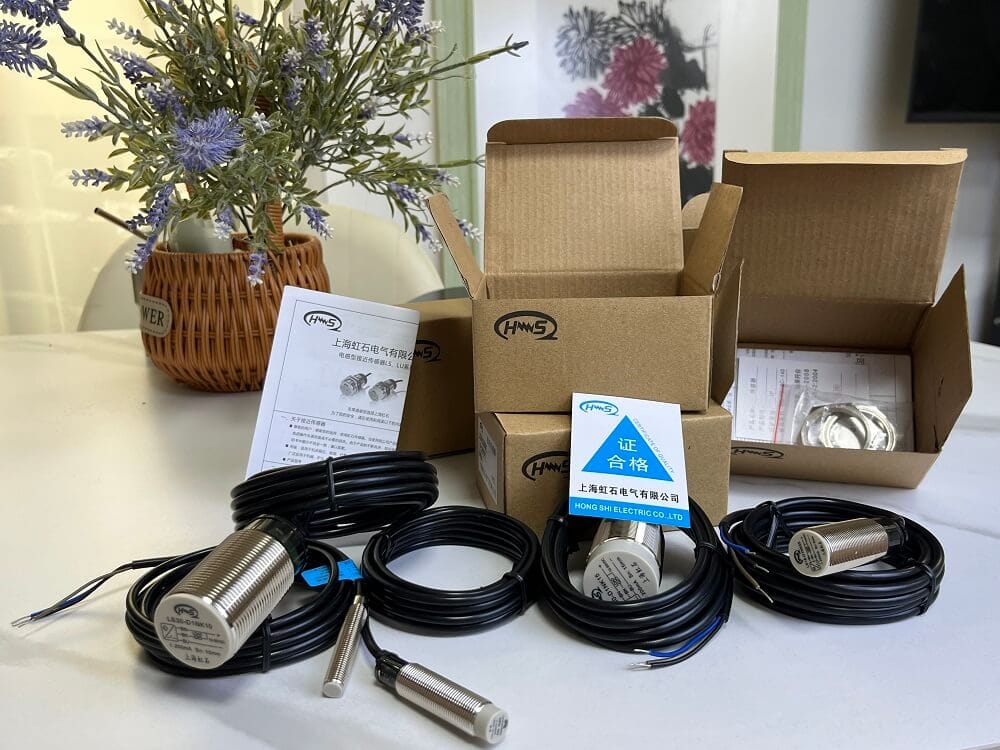
HongSton PNP & NPN Proximity Switches
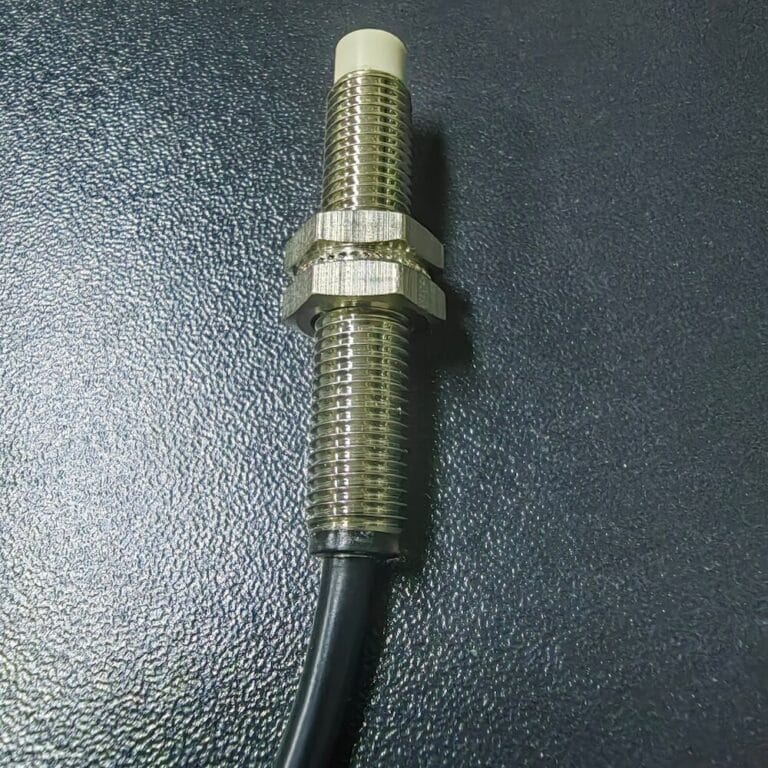
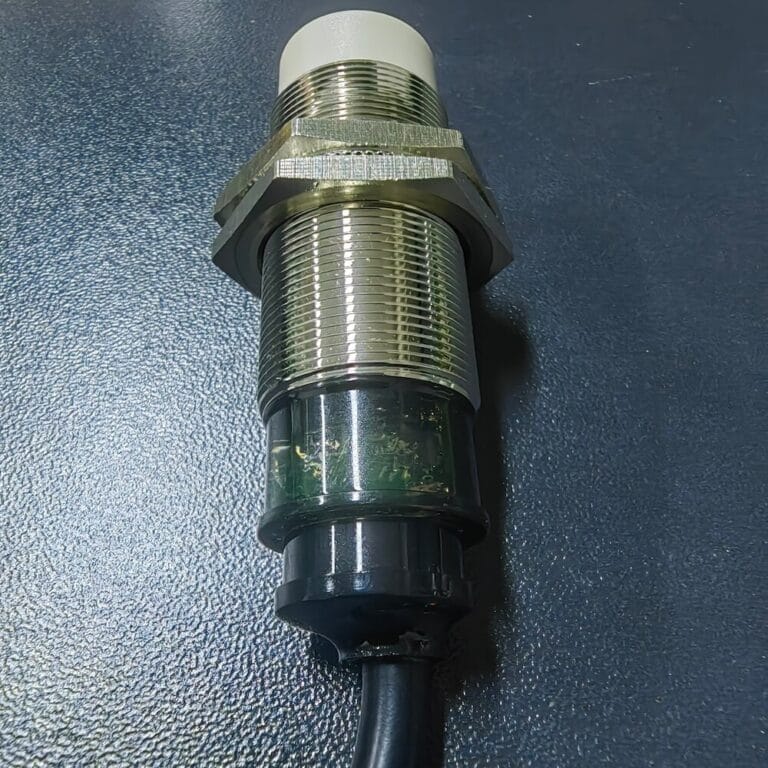
HongSton supplies full-series inductive proximity sensors with both PNP and NPN output options, covering M8, M12, M18, M30 cylindrical and square housing sizes.
- Dual output optional: Each model supports NO (normally open) / NC (normally closed) on request
- Built-in anti-short circuit & reverse polarity protection, avoids burnout caused by wiring mistakes
- High anti-interference EMC design, stable signal in welding, CNC and high-frequency inverter workshops
- All units pass CE certification, 24-month warranty with failure rate under 0.3%
- Direct replacement for Omron, Pepperl+Fuchs, IFM sensors without modifying mounting brackets
Our technical team provides one-on-one wiring guidance for customers. If you are unsure whether to choose PNP or NPN for your PLC or relay system, send your equipment model, and our engineers will offer matching wiring solutions.
How to Choose Between PNP and NPN Sensors
You do not need to pick randomly — follow your control system standard:
- European PLC, Siemens, Schneider systems: Choose PNP proximity sensors
- Japanese PLC, Mitsubishi, Omron control panels: Choose NPN proximity sensors
- For equipment renovation projects: Match the output type of the original old sensor to skip rewiring work
In short, the core difference of PNP and NPN proximity sensors is the signal voltage direction. Mastering the correct wiring method can eliminate 90% of sensor signal faults on production lines. HongSton provides compatible PNP and NPN proximity switches to fit all global automation equipment, helping factories avoid wiring errors and keep stable production operation.
Get Your Proximity Sensor Quote Today
Tell us your requirements, we provide fast quote and free samples.
Request a Quote Now