

1. Core Advantages of Siemens PLC in Automated Production Lines
Siemens PLCs are widely adopted in food processing, packaging machinery, machine tools, and logistics conveying equipment worldwide. Compatible with most imported and domestic proximity switches, they deliver strong on-site adaptability with outstanding comprehensive performance:
High Operational Stability: Equipped with advanced microprocessor technology, Siemens PLCs resist electromagnetic interference and operate steadily in harsh environments with high temperature, dust, and humidity, supporting 24/7 continuous factory production.
High Control Accuracy: The digital input modules feature precise response performance, perfectly matching high-precision industrial scenarios such as high-frequency counting, limit positioning, and object position detection.
Simple Commissioning & Operation: The supporting programming software is user-friendly, enabling fast programming, signal debugging, and fault diagnosis, which greatly reduces daily equipment maintenance and renovation costs.
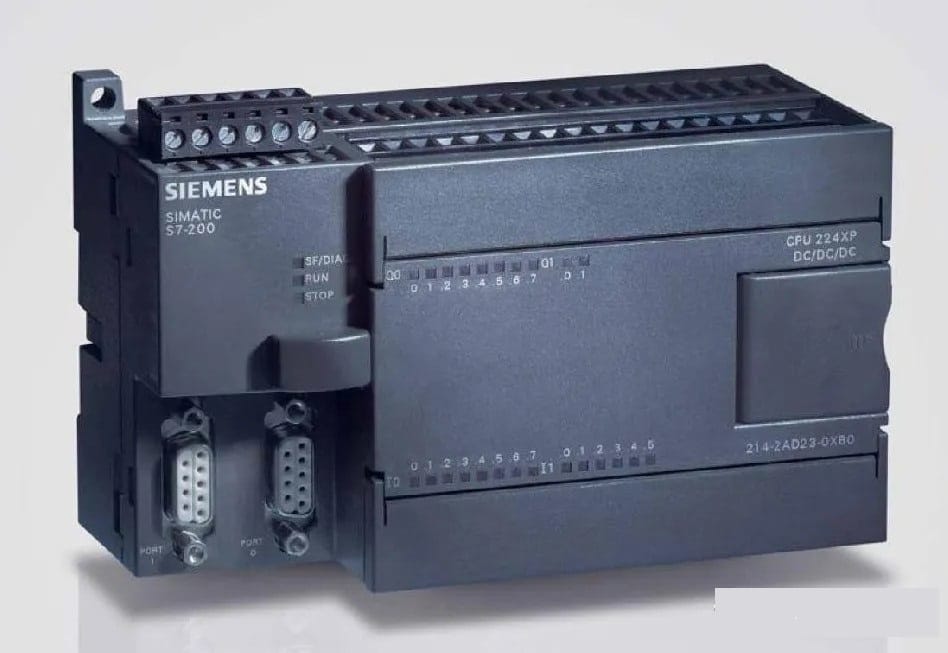
2. Differences & Application Scenarios of NPN and PNP Proximity Sensors
Most industrial 3-wire proximity sensors fall into two categories: NPN sinking output and PNP sourcing output. The two types feature opposite wiring logic, which is the most common cause of on-site commissioning errors. It is essential to select the correct sensor type according to the input terminal mode of Siemens PLC.
2.1 NPN Sensors (Low-Level Output)
NPN proximity sensors output low-level signals after triggering, which are compatible with sinking input terminals of Siemens PLC. This sensor type is the most popular choice for small and medium-sized factories in Malaysia, Australia, and Southeast Asia, suitable for both new and legacy automated production lines.
Main Applications: Mechanical limit detection, workpiece counting, equipment in-place monitoring, and general industrial positioning scenarios.
2.2 PNP Sensors (High-Level Output)
PNP proximity sensors output high-level signals during triggering, matching the sourcing input terminals of Siemens PLC. They are widely used in standardized and high-end automation lines due to their sensitive signal response.
Main Applications: Electric cabinet centralized control, precision packaging machinery, high-speed conveying lines, and automation scenarios requiring fast and stable signal feedback.
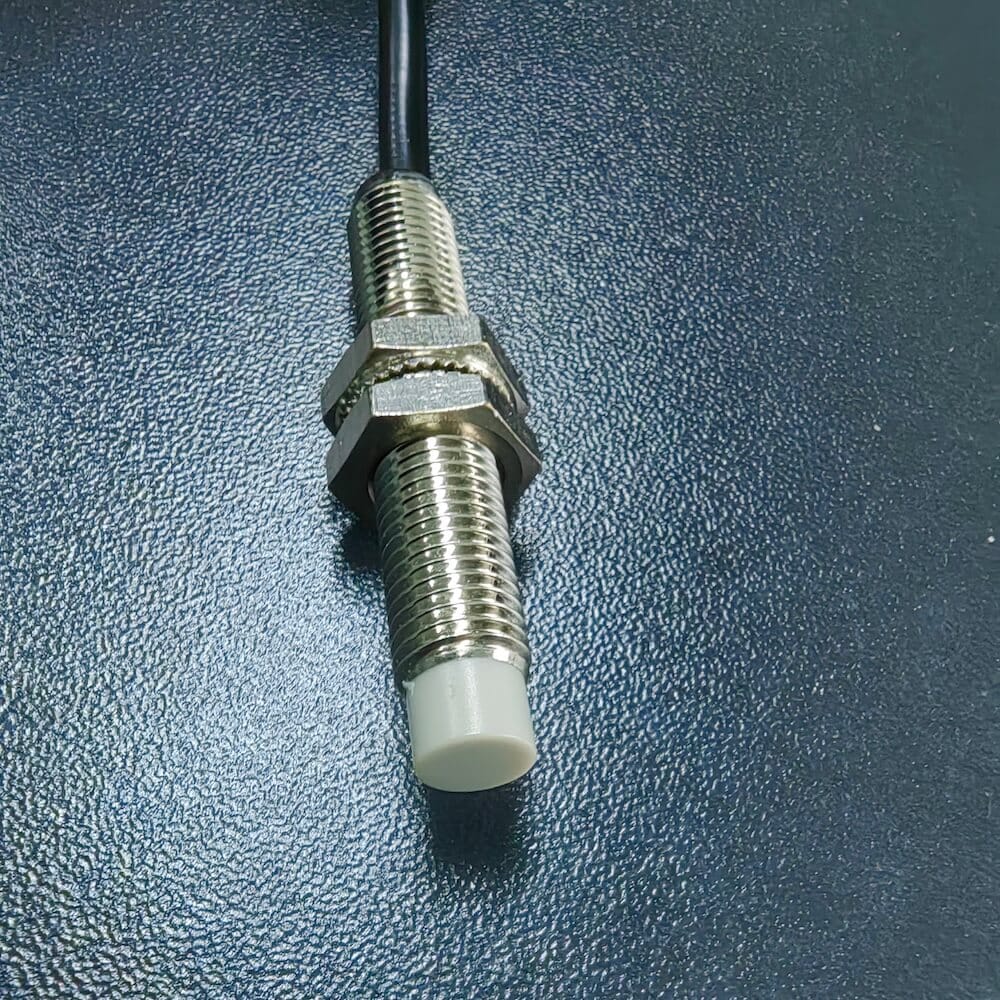
3. Standard Wiring Methods for Siemens PLC & NPN/PNP Sensors
Universal industrial 3-wire proximity sensors consist of three core terminals: VCC (power positive), GND (power negative), and SIGNAL (signal output). All Hongston LS8 and LS12 series proximity switches comply with international industrial wiring standards, fully compatible with all series of Siemens PLCs and capable of direct replacement of mainstream imported brand sensors.
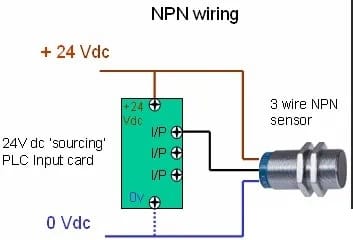
3.1 NPN Sensor Wiring Steps
Connect the power positive wire to the sensor VCC terminal and the power negative wire to the sensor GND terminal. Link the sensor signal wire to the digital input terminal of the Siemens PLC, and connect the PLC common terminal to the positive power supply.
Advantages: Excellent anti-interference performance, stable signal transmission, and long transmission distance, ideal for complex electromagnetic workshop environments and long-term continuous operation.
Limitations: Moderate high-frequency response speed, fully meeting the operational requirements of conventional production line counting and limit detection.
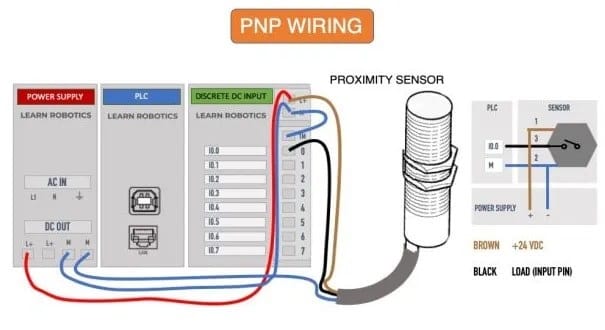
3.2 PNP Sensor Wiring Steps
Connect the power positive wire to the sensor VCC terminal and the power negative wire to the sensor GND terminal. Connect the sensor signal wire to the PLC input terminal, and link the PLC common terminal to the negative power supply.
Advantages: Fast signal response, effectively avoiding missed detection and false detection for high-speed assembly lines and high-frequency counting equipment.
Limitations: Higher requirements for on-site wiring shielding; shielded cables are recommended for strong electromagnetic interference environments.
4. Common On-Site Sensor Faults & Professional Solutions
In daily factory operation and maintenance, most sensor signal failures such as no response, flickering signals, and unstable induction are not caused by product damage, but by non-standard wiring, unstable power supply, or incorrect installation.
4.1 Sensor Not Working with No Signal Output
Check whether the power supply voltage meets the standard 10-30VDC range and confirm no positive/negative wiring reversal. Verify the matching of signal wires and PLC terminals, and check for damaged PLC input points and incorrect program parameter settings.
4.2 Unstable Sensor Signals & Frequent False Triggering
Inspect for loose or damaged wiring and confirm the sensor is installed at a standard distance without metal shielding interference. For workshops with heavy dust and moisture, adopt industrial sensors withIP67 waterproof and dustproof rating to eliminate environmental interference and ensure stable operation.
4.3 Short Signal Transmission Distance & Signal Attenuation
Maintain stable working voltage and avoid low-voltage operation. Use shielded signal cables for long-distance wiring to reduce electromagnetic interference. Adopt high-stability industrial-grade proximity sensors to improve long-distance signal transmission accuracy.
Conclusion
Mastering the matching and wiring skills of NPN/PNP proximity sensors and Siemens PLCs is essential for automation equipment commissioning and daily maintenance. Correctly distinguishing sensor output logic, standardizing wiring operations, and optimizing on-site anti-interference measures can effectively reduce production line faults and ensure 24-hour stable operation of automated equipment.
For factory sensor selection and replacement, industrial-grade proximity sensors withfull PLC compatibility, high protection level, ultra-low failure rate, and long warranty are the best choice. Hongston LS8 and LS12 series sensors support direct replacement of imported branded products, helping global factories reduce long-term procurement and operation costs while maintaining stable production efficiency.
Need Stable Proximity Sensors for Your PLC System?
Hongston LS8 & LS12 series fully compatible with Siemens PLC, 24-month warranty, factory direct price.