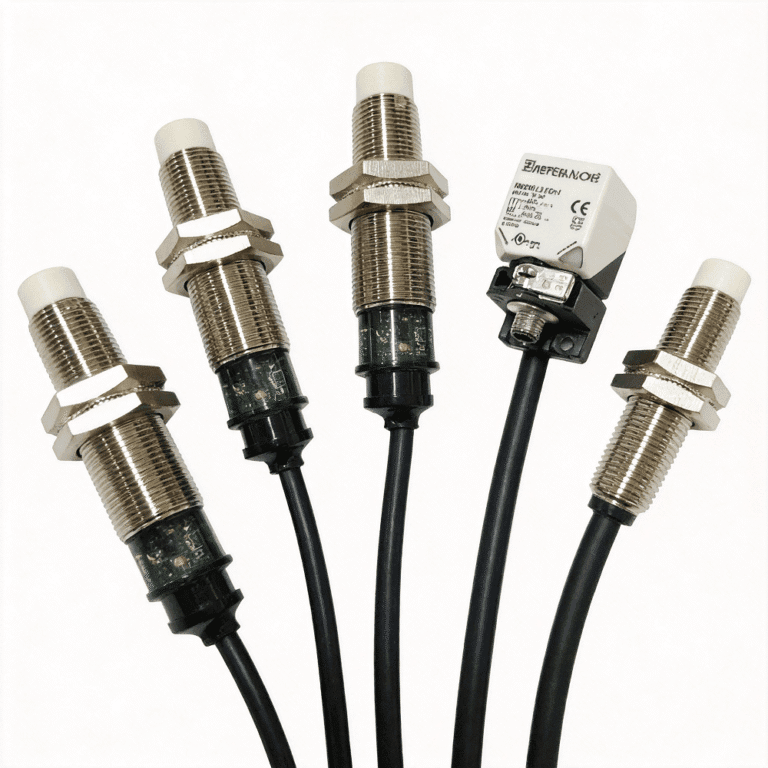

When purchasing inductive proximity sensors for automated production lines, most procurement managers and maintenance engineers in Malaysia, Australia and Southeast Asia will first turn to imported well-known brands such as Pepperl+Fuchs, Omron and Turck.
Most plant teams take it for granted that “famous brands equal stable performance with zero breakdowns”, so they are willing to allocate higher budgets for imported sensors. However, after long-term use, factories gradually realize that the hidden costs brought by brand premiums are far higher than they expected.
This article analyzes the pros and cons of world-famous imported proximity sensors, and introduces Hongston, a reliable original manufacturer with balanced quality and cost, to help local factories figure out: is it really worthwhile to overspend on branded proximity switches?
1. 3 Main Reasons Why Factories Choose Famous Imported Proximity Sensors
1. Established brand reputation lowers trial-and-error risks in model selection
Global brands including Pepperl+Fuchs, Omron and IFM have decades of experience in industrial sensor manufacturing, with massive application cases across worldwide automated production lines.
For purchasing staff and maintenance technicians without rich sensor selection experience, branded sensors eliminate repeated performance verification work. Factories can avoid line failures caused by improper model matching, bringing a strong sense of reliability.
2. Original equipment matching, compatible with existing control systems
Most food processing machinery, machine tools and packaging equipment assembled in Malaysia and Australia are pre-installed with German or Japanese branded proximity sensors from factory. When replacing damaged units, technicians tend to stick with the same brand to skip parameter rechecking, circuit modification and extra debugging work.
3. Complete industrial certifications to meet tender requirements of large projects
For heavy industrial groups, foreign-invested manufacturers and complete equipment export bidding projects in Malaysia and Australia, tender documents often specify well-known imported sensor brands with full international industrial certificates. Standardized test reports and official documents of top brands simplify the whole bidding and auditing process.
2. Four Hidden High Costs Brought by Overpriced Branded Sensors
2.1 High unit premium doubles annual MRO spare part budget
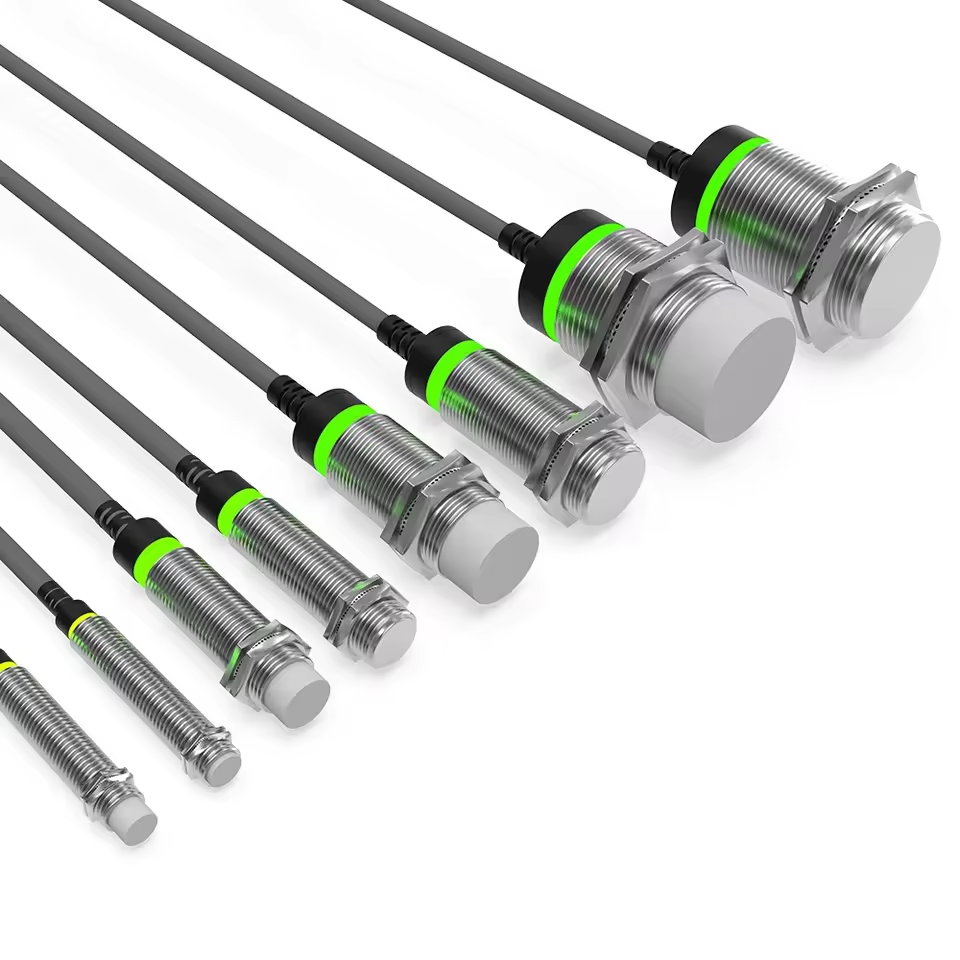
Imported sensors go through overseas manufacturing, import tariffs and multi-layer distributor markup. For M8 / M12 standard proximity sensors with identical specifications, branded versions cost 1.5 to 2 times more than factory-direct alternatives.
Malaysian and Australian factories need to stock large volumes of spare sensors all year round, which pushes up annual maintenance expenditure significantly.
2.2 Only 12-month official warranty leads to continuous replacement costs
Nearly all top imported brands only provide a 1-year limited warranty. Proximity sensors run 24/7 on production lines and count as consumable components. Once faults occur after warranty expiration, all replacement parts and labor fees must be fully covered by factories, creating long-term accumulated costs.
2.3 Insufficient local stock causes costly production downtime
Stock levels of imported branded sensors are limited across warehouses in Malaysia and Australia. If sensors break down unexpectedly during operation, the lead time for genuine spare parts can stretch for several days or even a full week.
Every hour of assembly line shutdown results in raw material waste, idle labor and delayed customer orders — the financial loss far exceeds the price gap between branded sensors and cost-effective substitutes.
2.4 Exclusive unique specs extend downtime during replacement
Many German and Japanese brands adopt proprietary wiring definitions and housing dimensions that cannot be cross-compatible with other manufacturers. To replace faulty branded sensors, electricians need to re-drill mounting holes, rewire circuits and reset PLC parameters, which forces full production line halt and creates heavy economic losses.
3. Hongston: Stable, Cost-Effective Alternative with Equivalent Industrial Quality
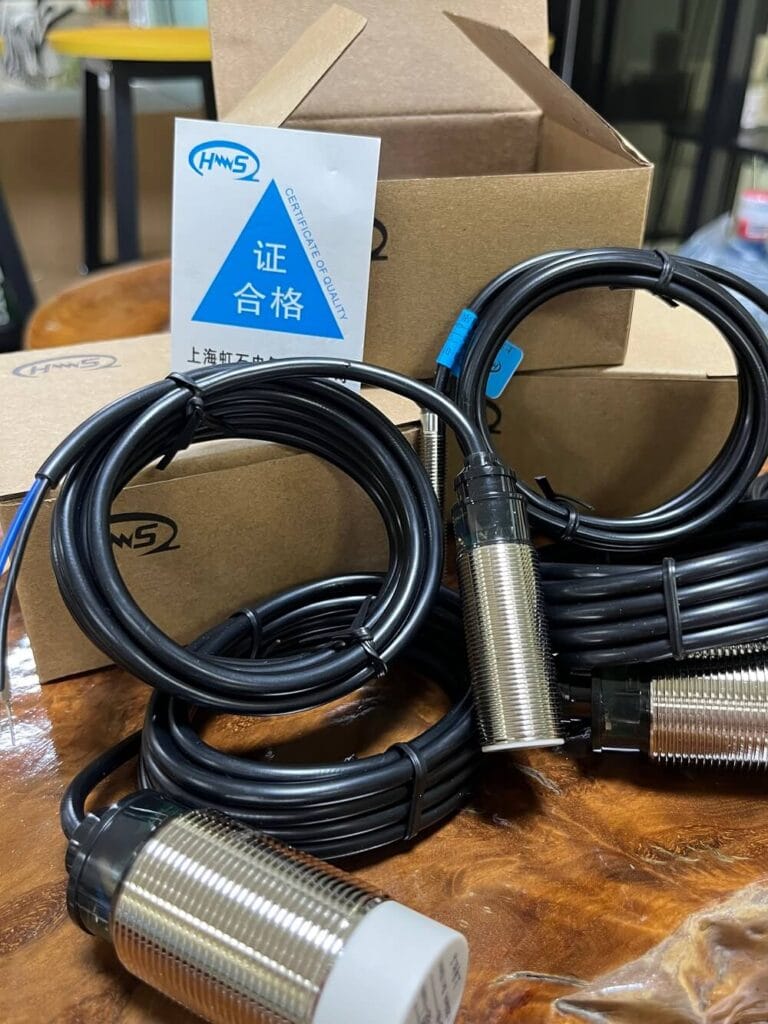
As a professional original sensor manufacturer with over 10 years of independent R&D experience, Hongston’s production processes and strict quality inspection standards fully match international famous brands. Our products perfectly solve all pain points of overpriced imported sensors for factories in Malaysia, Australia and global markets.
3.1 10 years dedicated to sensor R&D, ultra-low failure rate below 0.3%
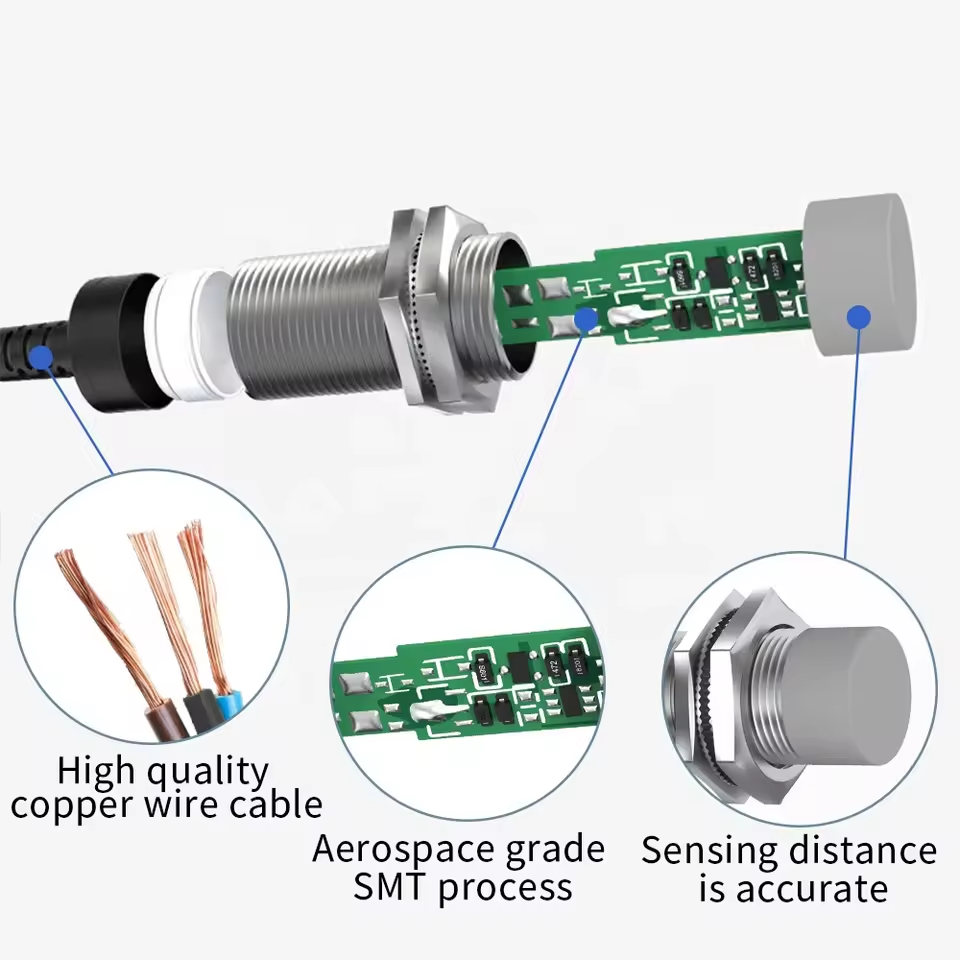
Hongston focuses on the R&D and production of industrial proximity switches for a decade. All finished sensors pass a 72-hour continuous aging test before shipment. Key indicators including repeat accuracy, response frequency and IP67 dust & waterproof protection reach the same standard as Pepperl+Fuchs and Omron.
Our sensors maintain stable performance under 24-hour non-stop operation on food, packaging and conveyor lines, with extremely low false detection or missed detection rates.
3.2 Full universal specifications for direct drop-in replacement without line shutdown
Our LS8 DC series and LS12 AC/DC dual-voltage series are manufactured under unified international industrial standards. The outer housing size, mounting hole dimension, wiring definition and PNP/NPN output modes are fully interchangeable with mainstream imported brands.
Maintenance teams in Malaysia and Australia can remove faulty branded sensors and install Hongston units instantly without equipment modification or PLC debugging. The whole replacement process takes only several minutes with zero production halt loss.
3.3 Factory direct supply cuts annual spare part costs significantly
We own complete production workshops and eliminate all middlemen and import tariff markups. Sensors with the same specifications are priced much lower than imported branded versions. Factories in Malaysia and Australia can reduce annual sensor procurement costs by more than 40% when purchasing bulk spare parts or carrying out full-line upgrades.
3.4 24-month official warranty reduces long-term maintenance expenses
Unlike the 1-year warranty policy of imported brands, Hongston provides a full 2-year global official warranty for all proximity switches. We offer free replacement for quality failures caused by non-human damage within the warranty period. The combination of ultra-low failure rate and extended warranty greatly lowers factories’ later labor and component replacement costs.
3.5 CE certified products for global supply, fit all workshop working conditions
All Hongston sensors hold CE industrial safety certification. Our product range fits multiple application scenarios including food processing lines, CNC machine tools, logistics conveyors and legacy AC/DC mixed production lines. We export steadily to Malaysia, Australia, Poland and other countries, winning consistent recognition from local plant procurement teams.
4. Reference Selection Guide for Different Types of Factories
Scenarios where imported famous brand sensors are still recommended
- Large foreign-owned heavy industry plants and complete equipment export tenders where buyers mandatorily specify imported branded sensors;
- Ultra-high precision special working environments that require exclusive customized models only available from top international brands.
Factories that can switch to Hongston for better value for money (most plants in Malaysia & Australia)
- Food factories, packaging workshops, small & medium machine tool manufacturers and automated conveyor lines for standard positioning and workpiece counting;
- Production enterprises aiming to control MRO budgets and purchase bulk spare sensors regularly;
- Plants suffering frequent sensor breakdowns that need fast replacement to minimize line downtime;
- Legacy mixed AC/DC production lines requiring AC/DC dual-voltage sensors to replace old imported switches.