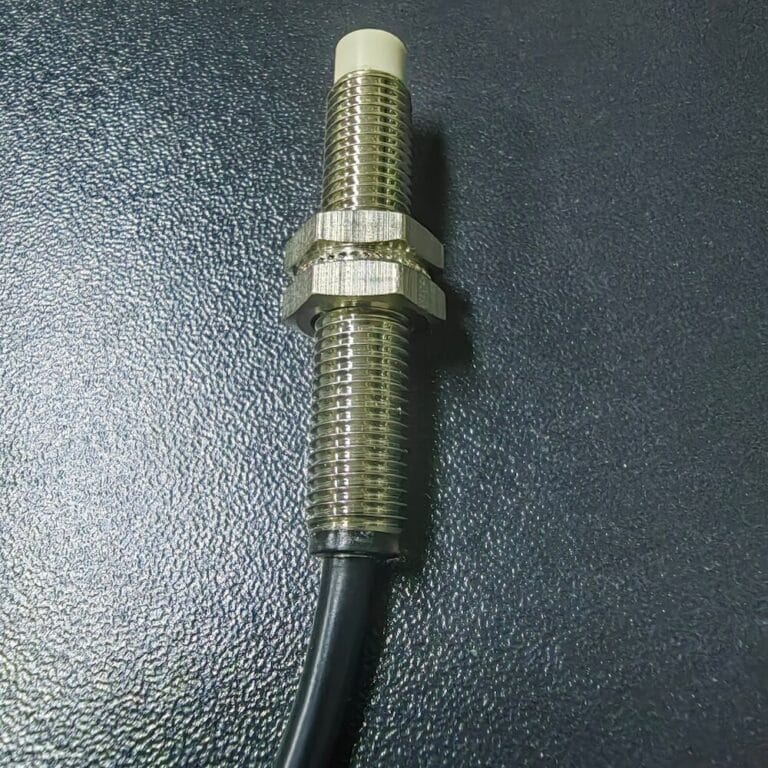
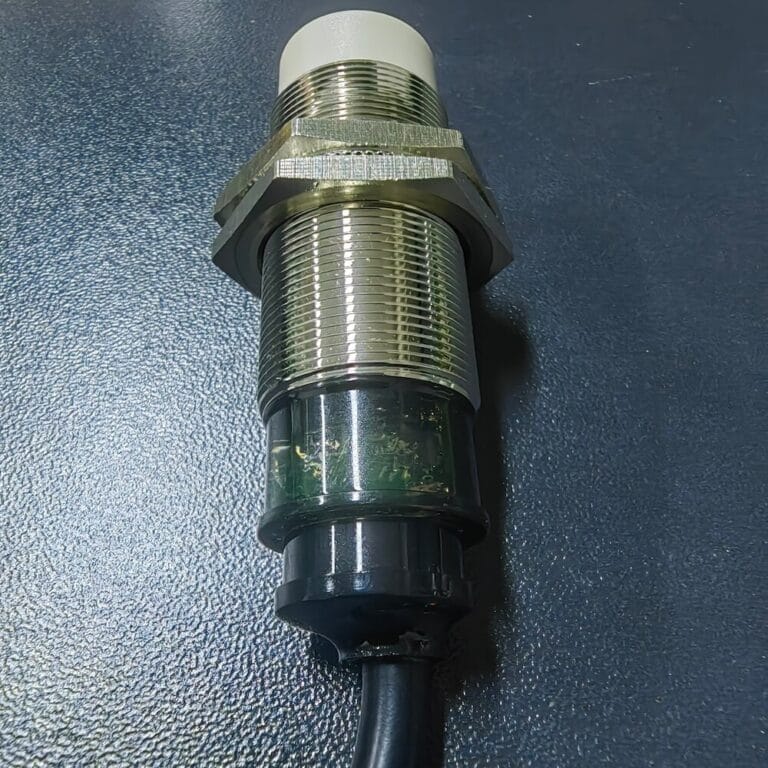
For manufacturing factories, a full set of automated production lines requires a huge upfront investment, and equipment maintenance, component wear and regular replacement bring long-term extra expenses. To truly cut production costs and reduce losses caused by unexpected shutdowns, blindly slashing budgets for equipment is not the right solution. The key lies in picking well-matched, stable industrial accessories.
As core sensing components on production lines, proximity switches look tiny and simple, yet they control critical procedures including signal induction, material detection and limit start-stop. Once they break down, assembly lines are prone to jams, error alerts and full halts, which may even ruin batches of finished goods — the loss is never worth it.
Many procurement teams fall into two typical traps when choosing sensors: some blindly chase well-known imported brands, while others only focus on the lowest price and buy shoddy parts with no quality guarantee.
Everyone in the automation industry is familiar with top international sensor brands, such as Balluff, Pepperl+Fuchs, IFM, Keyence, Omron and Schneider. These industry leaders have mature quality control and outstanding stability, making them top picks for high-precision production lines. However, their premium pricing drastically raises bulk purchasing costs, so they fail to deliver good cost performance for most small and medium-sized automated workshops.
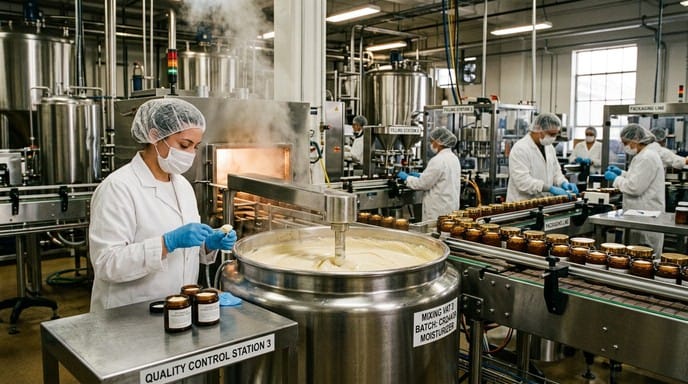
In fact, many cost-effective niche manufacturers have emerged in the industrial control sector. Free from excessive brand premium and heavy advertising spending, they focus on product R&D and strict quality inspection. Their stability and durability can fully match those of first-tier international brands, making them ideal options for most regular production lines to cut costs while maintaining efficiency.
When factories source proximity switches, price and brand reputation should never be the only factors to consider. A comprehensive evaluation covering working conditions, technical specifications and long-term stability is mandatory.
First and foremost, match the proximity switch to the actual working environment of your production line — this is the foundation of proper selection. Different workshops place vastly different demands on the protection class and temperature resistance of proximity switches. Machining and welding workshops feature high temperatures, oil contamination and metal dust; food and chemical workshops are humid and steamy; outdoor equipment and open-air assembly lines need to withstand wind, rain and drastic temperature shifts. Ordinary indoor production lines face mild working conditions by contrast.
If you ignore environmental compatibility, even top-brand switches with perfect parameters will suffer from induction failure, short circuits from water ingress, high-temperature burnout or dust blockages. For humid and dusty workshops, choose models with IP67 or higher protection ratings. For high-temperature stations, select dedicated heat-resistant proximity switches to minimize failure risks from the start.
Secondly, carefully check core technical specifications to match your equipment requirements accurately. Most sensor malfunctions and detection errors stem from mismatched parameters. Three key indicators deserve special attention: operating voltage & current, rated sensing distance and response frequency.
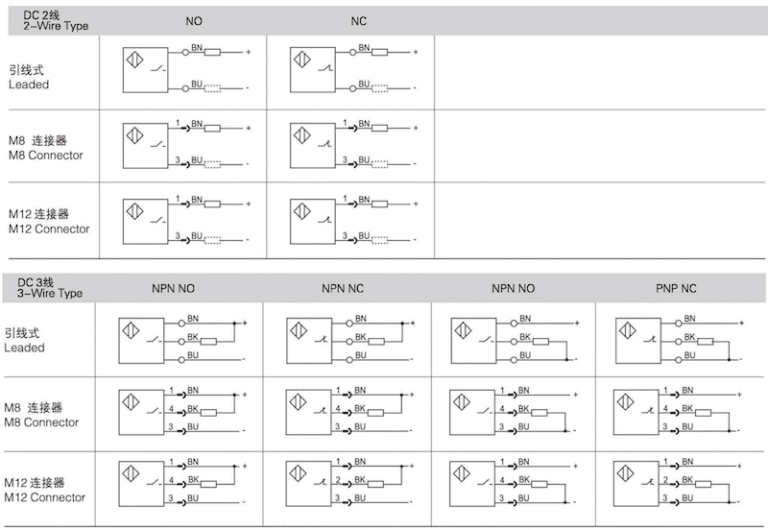
Here is a practical industry tip: do not choose a proximity switch whose nominal sensing distance exactly meets your equipment needs. We recommend reserving about 30% margin for safety. Besides, metal materials like stainless steel and aluminum will weaken sensing performance, so reserved margin can effectively avoid missed detection and false triggering. You also need to match the output type (NPN/PNP) and contact mode (normally open / normally closed) to your PLC to prevent signal incompatibility and failed connection.
Finally, prioritize long-term stability and batch consistency of products. Production lines run nonstop for hours every day, so proximity switches must maintain consistent performance over long working cycles. Many cheap no-name products suffer severe batch-to-batch inconsistency: some units work sensitively while others respond sluggishly. Frequent failures and false triggering lead to repeated replacements and unplanned downtime, generating hidden costs far higher than the sensor itself.

HongSton has years of experience in developing and manufacturing sensors with strict quality control. All our proximity switches come with a 24-month warranty and maintain stable operation throughout the service period, with factory-controlled failure rate kept below 0.3% — far better than the industry average.
This reliable quality relies on our dedicated 10-person R&D team. Every year, we invest 30% of our total profits into product iteration, craft upgrading and performance optimization. We never cut corners and keep polishing high-performance industrial sensors.
Unlike famous international brands with steep markups and slow after-sales support, we provide one-on-one technical engineers to assist customers throughout the whole process, including precise model selection, installation debugging and environmental adaptation guidance, to avoid equipment issues caused by improper selection or installation.
Since 2020, HongSton sensors have been exported in large quantities to Southeast Asian countries, Australia, Poland and many other regions worldwide. Compatible with all types of automated production lines and industrial control equipment, our products have won wide recognition and repeat orders from global clients thanks to stable quality, outstanding cost performance and complete after-sales service.
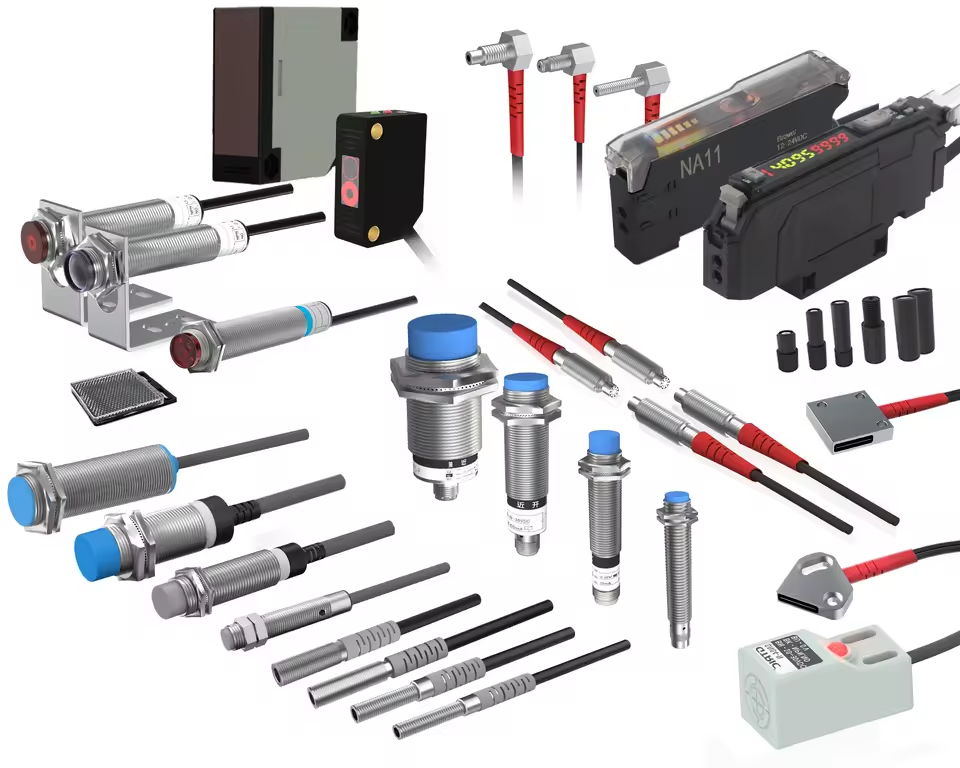
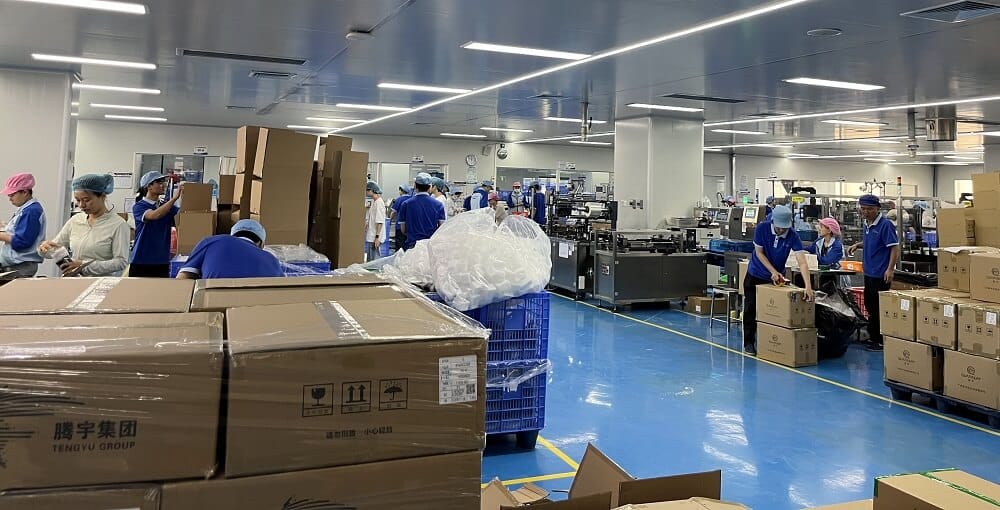
Many clients ask why we deliver quality comparable to top brands without widespread market fame. Founded in 2016, we have always stayed true to our original aspiration: focus on R&D and quality inspection, with minimal investment in commercial advertising.
We firmly believe reliable products win customers via word of mouth, not marketing campaigns. Instead of pouring massive budgets into brand promotion and ads, we allocate all funds to R&D, premium raw material procurement and strict production quality control, to continuously upgrade product performance, stability and cost efficiency.
This aligns with the business philosophy of Elon Musk, who prioritizes technology development and product perfection over marketing. Though we receive less exposure in the short run, stable, cost-effective products will earn customer trust naturally, and our brand influence will grow steadily over time.
In short, factories should not only pick the most expensive famous brands or the cheapest low-quality alternatives when purchasing proximity switches. The ideal choice delivers perfect compatibility, stable performance, high cost efficiency and complete after-sales support.
Though tiny, proximity switches act as nerve endings for automated production lines. They are seemingly insignificant, yet they determine the operational efficiency and stability of the entire assembly line.
A wrong sensor choice may lead to frequent shutdowns, production losses and extra rework costs. On the contrary, a precise, reliable selection can drastically cut equipment maintenance expenses and guarantee long-term stable, efficient production. With years of experience in industrial sensors, HongSton centers on factories’ actual production demands, supplying low-failure, cost-effective proximity switches and full sensor solutions to manufacturers worldwide, helping factories reduce costs and boost stable output.
Get Your Proximity Sensor Quote Today
Tell us your requirements, we provide fast quote and free samples.
Request a Quote Now