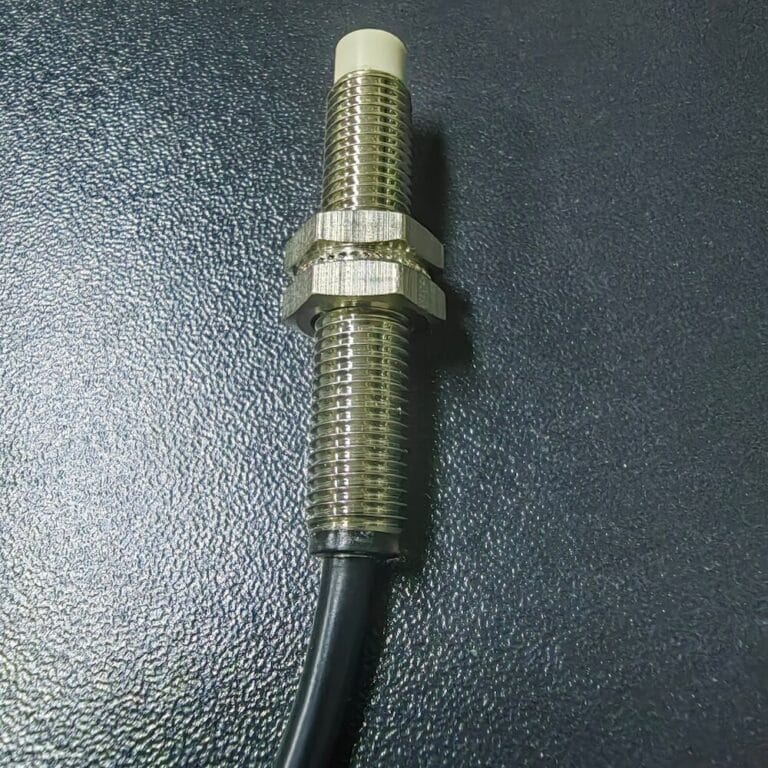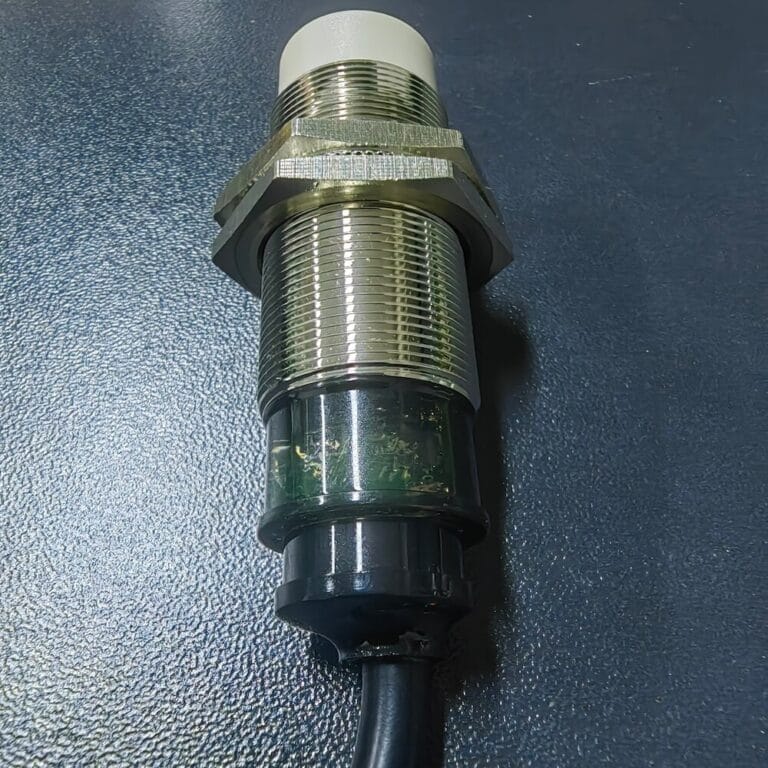

A proximity switch, also known as a non-contact proximity sensor, is a high-performance electronic switching sensor widely used in industrial automation. Unlike traditional mechanical limit switches, it can output precise electrical signals without physical contact, pressure, or sparks when a target enters the sensing area. It accurately detects the position and stroke of moving mechanical parts, featuring outstanding positioning accuracy, high operating frequency, long service life, easy installation and strong environmental adaptability.
As a core industrial sensing device from HongSton (Shanghai Hongshi), proximity switches are highly favored by automation manufacturers in Malaysia and Southeast Asia. They are extensively applied in machine tools, metallurgy, chemical, textile, printing and other industries, serving for limit positioning, counting, automatic positioning control and equipment safety protection in automated control systems.
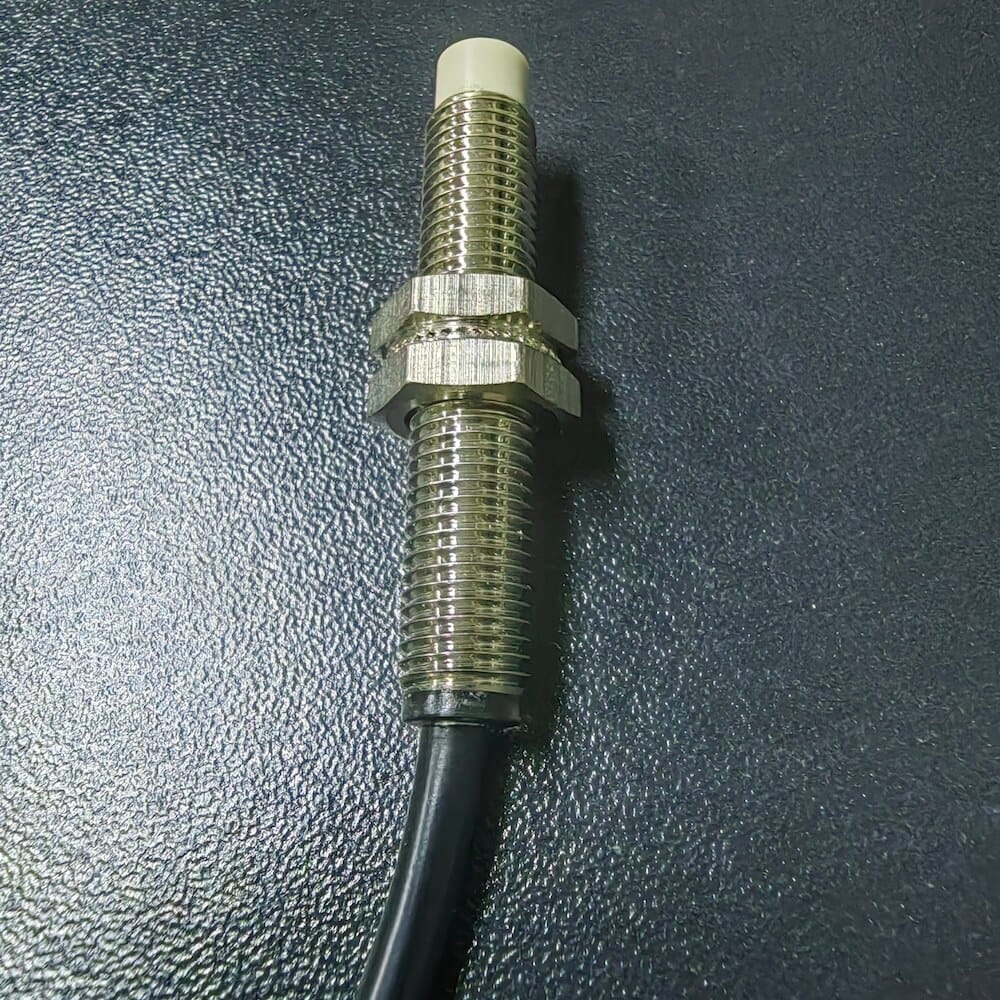
Proximity Switch Classification & Working Principles
Proximity switches are classified into inductive, capacitive, magnetic and photoelectric types according to their working principles, and can also be divided into AC and DC types based on power supply mode. Each category has unique performance characteristics and applicable scenarios, meeting diverse industrial detection demands in Malaysian factories.
1. Inductive Proximity Switch
Equipped with a magnetic core inductive coil as the sensing head, the inductive proximity switch only detects metal targets. It boasts a compact structure, stable performance and cost advantages, making it the most mainstream type in industrial automation. It is widely used in various metal detection scenarios in Malaysia’s automated production lines, with the only limitation of relatively short sensing distance.
2. Capacitive Proximity Switch
The sensing head of a capacitive proximity switch adopts a circular flat electrode structure. When an object approaches, the internal capacitance value changes and triggers a switching signal. Different from inductive sensors, it can detect not only metals but also non-metallic objects, powders and liquids. It is suitable for multi-material detection scenarios in Southeast Asian industrial plants, with a slightly larger size and higher cost.
3. Magnetic Proximity Switch
Magnetic proximity switches operate based on the Hall effect principle. They sense changes in external magnetic fields to realize non-contact signal output, featuring high sensitivity and strong anti-interference ability, ideal for magnetic positioning detection in industrial equipment.
4. Photoelectric Proximity Switch
Photoelectric proximity switches rely on light sensing elements to detect changes in light intensity emitted by the transmitter. They realize target identification through light signal changes and are mainly divided into three types: through-beam, retro-reflective and diffuse reflection. They are widely used for long-distance object detection, counting and sorting in Malaysia’s packaging and logistics industries.
Professional Proximity Switch Selection Guide
To match the actual operating conditions of Malaysian industrial equipment, the following core criteria should be followed when selecting HongSton proximity switches:
- Detection material: Choose inductive sensors for metal detection and capacitive sensors for non-metal, liquid and powder detection.
- Shape specification: Threaded cylindrical models are the most common and easy to install, with optional special shapes for customized equipment scenarios.
- Sensing distance: As a core performance parameter, the detection distance must be selected strictly according to on-site equipment spacing to ensure stable detection.
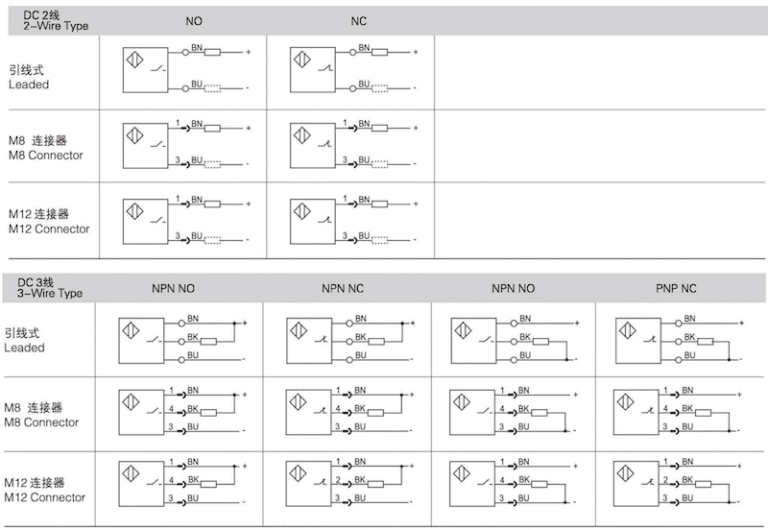
- Output signal: Select NPN or PNP output according to the matching PLC and control system.
- Contact mode: Choose NO (Normally Open) or NC (Normally Closed) based on the equipment’s control logic and working requirements.
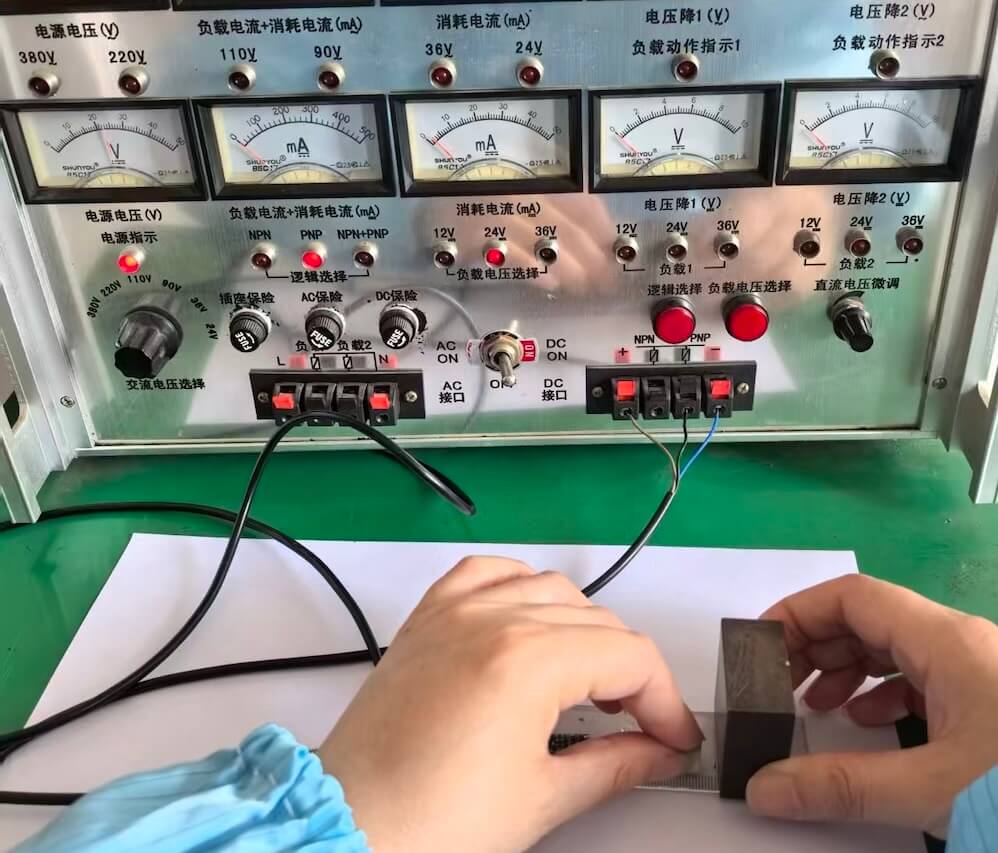
Proximity Switch Wiring Standard
DC proximity switches are the most widely used in Malaysia’s current industrial automation equipment, mainly including 2-wire, 3-wire and 4-wire types. In addition to the wire quantity specification, the selection of NPN and PNP output types is crucial for normal equipment operation.
In terms of regional application habits: NPN type sensors are commonly matched with Japanese and American control systems, while PNP type is more popular in European standard equipment. Both types of HongSton proximity switches are complete in specifications, fully compatible with mainstream automation equipment in Malaysia and Southeast Asia, and can meet various on-site wiring and matching demands.
Summary
With diverse types and powerful adaptability, HongSton proximity switches cover almost all industrial non-contact detection scenarios. Mastering their working principles, selection skills and standard wiring methods can help Malaysian industrial users reasonably match sensors for production lines, improve equipment operating efficiency and reduce maintenance costs.