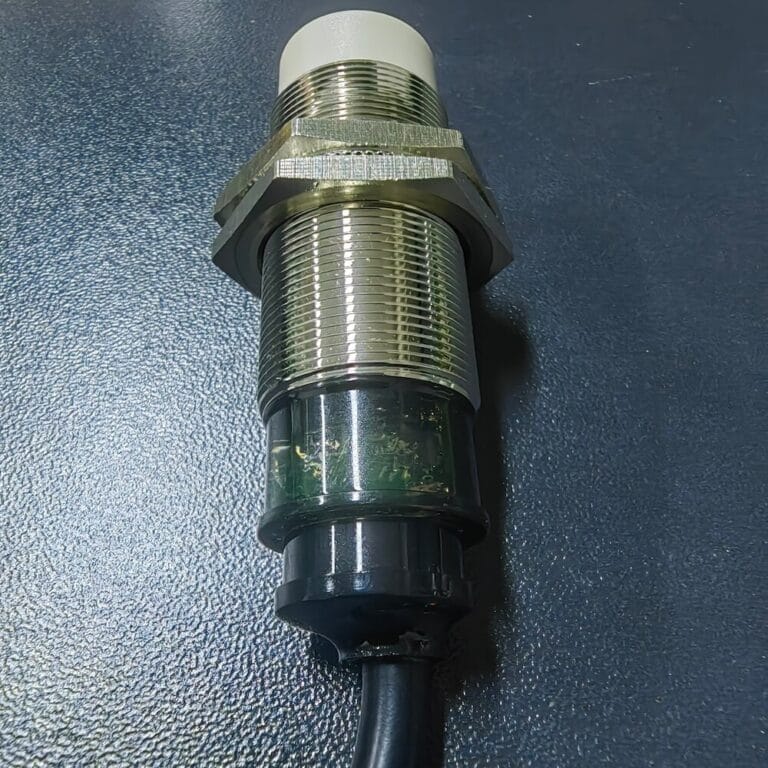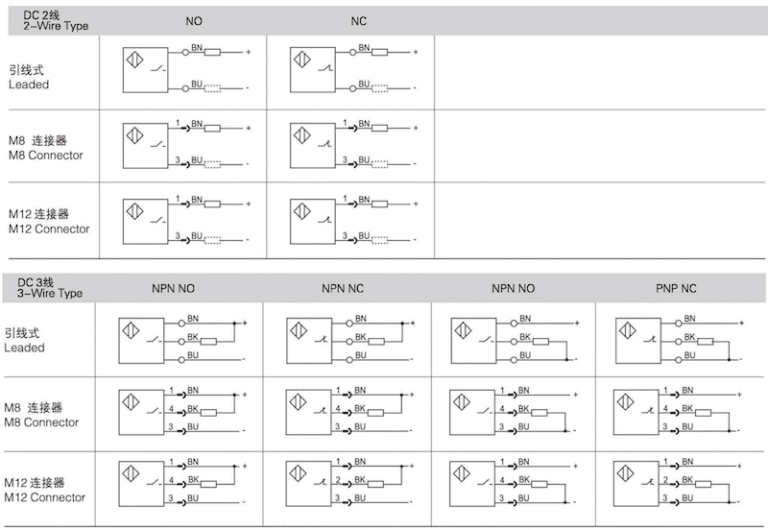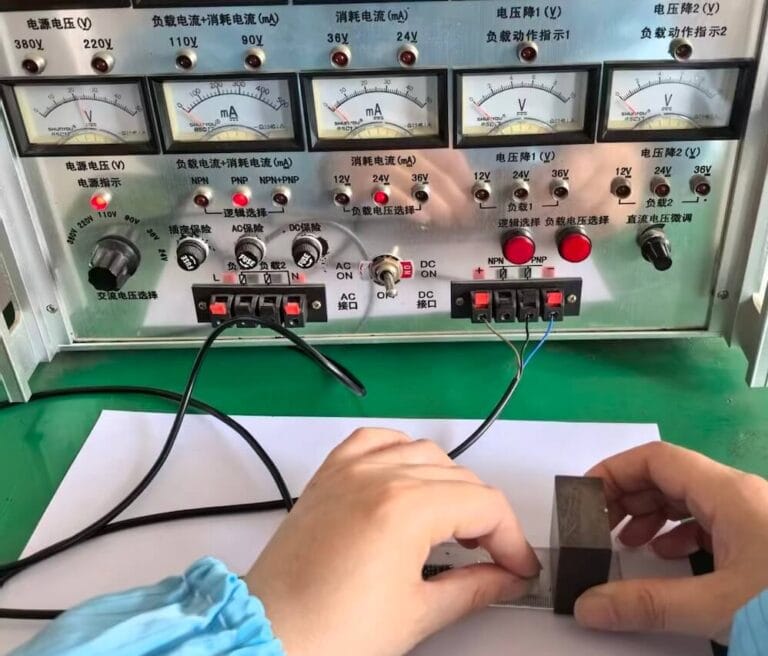

Many people are unfamiliar with what a proximity switch is. Essentially, it is a high-performance non-contact detection device. It can realize travel control and limit protection, and is widely adopted for detecting workpiece size and running speed. Besides, it is also commonly used in frequency counters, pulse generators, liquid level control and automatic production processes.
Proximity switches feature reliable performance, long service life, low power consumption, high accuracy, high response frequency and excellent adaptability to harsh working conditions. Most users often have two key questions: What is the standard sensing distance of a proximity switch? How to select a suitable proximity switch for industrial use?
What is the General Sensing Distance of a Proximity Switch?
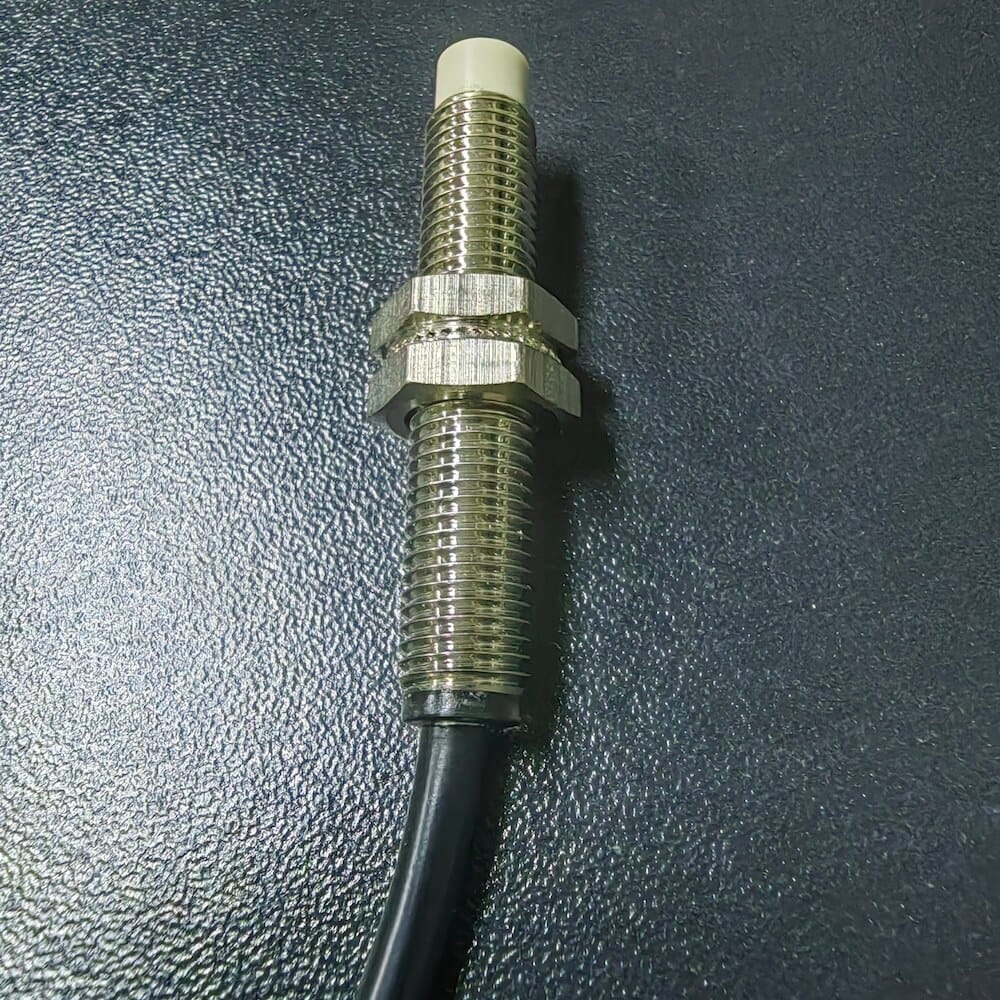
The sensing distance varies greatly depending on the proximity switch diameter and model.
- 8mm diameter: 0.15–1.5mm
- 12mm diameter: 0.3–3mm
- 18mm diameter: 0.6–6mm
- 30mm diameter: 1–10mm
You can pick the right model according to your actual working requirements.
Note that the effective sensing distance is affected by the material, thickness and size of the detected object. Even with the same target material, different workpiece dimensions will also change the detection range.
Proximity switches fall into contact type and inductive type. Contact types activate only when enough physical contact force is applied to close the contact point. Inductive proximity sensors can detect targets within a fixed adjustable range, which can be calibrated as instructed in the product manual.
Normally, the common detection distance of standard proximity switches is about 10mm. For reference, the NI25 model offers a maximum sensing distance of 15mm, while the NI35 model can reach up to 25mm.
Common Causes of Shortened Sensing Distance
- Long-term operation leads to induction coil aging, reducing detection capability.
- Insufficient input power supply voltage.
- Surrounding metal obstacles or strong electromagnetic interference affecting sensor operation.
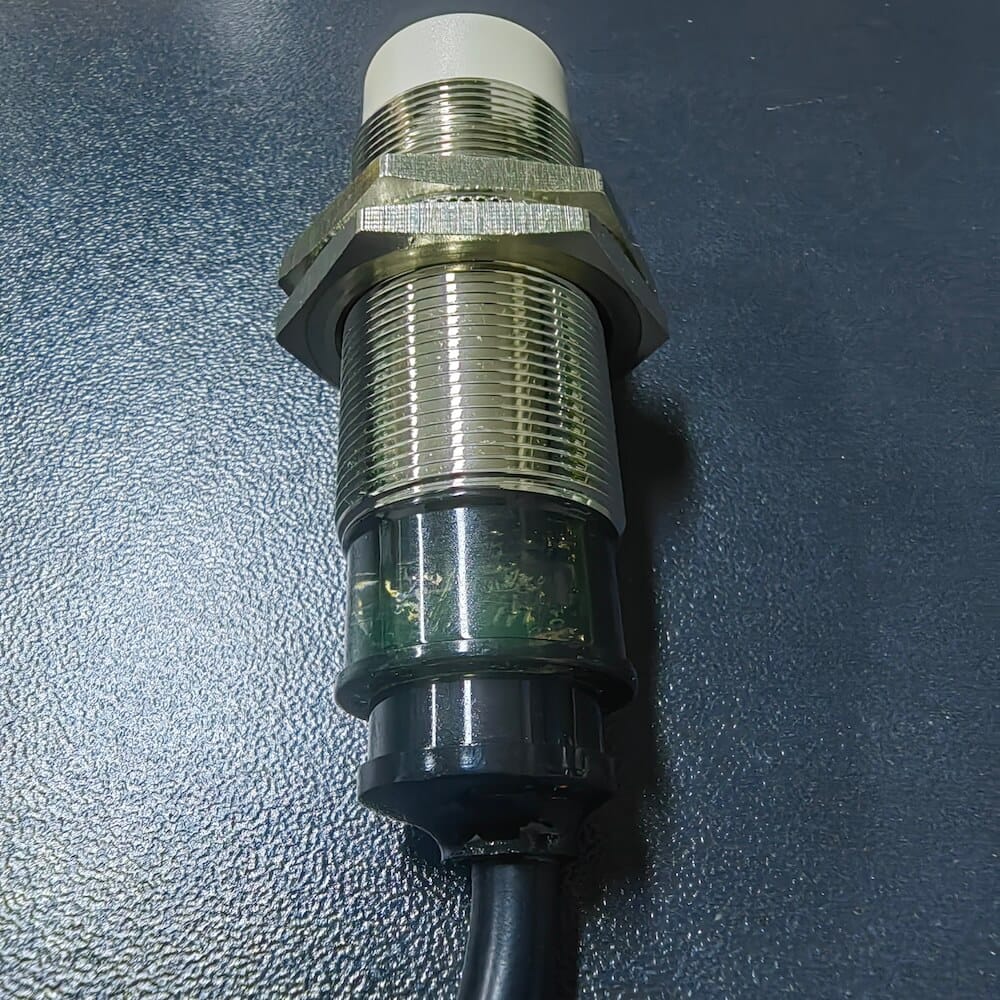
How to Choose the Right Proximity Switch
Follow these practical principles for better matching and cost performance:
- Metal detection: Choose high-frequency oscillation inductive proximity sensors. They work best for standard carbon steel, with lower sensitivity for aluminum, brass and stainless steel.
- Non-metal detection: For wood, paper, plastic, glass and water, capacitive proximity sensors are the ideal option.
- Long-distance detection (Metal & Non-metal): Photoelectric or ultrasonic proximity sensors are recommended for longer sensing ranges.
- Low-sensitivity metal detection: Magnetic or Hall effect proximity sensors are economical choices for scenarios without high precision requirements.
Different industrial scenarios need matched proximity switch types. To obtain stable performance and high cost efficiency, it is necessary to select the sensor according to target material and required detection range. You can follow this guide when you have difficulty in model selection.
Hongston Sensors supplies a full series of premium proximity switches for diverse industrial applications. All our sensors deliver stable operation, long lifespan and strong environmental adaptability, effectively improving your automated production efficiency and system reliability.